

Introduction
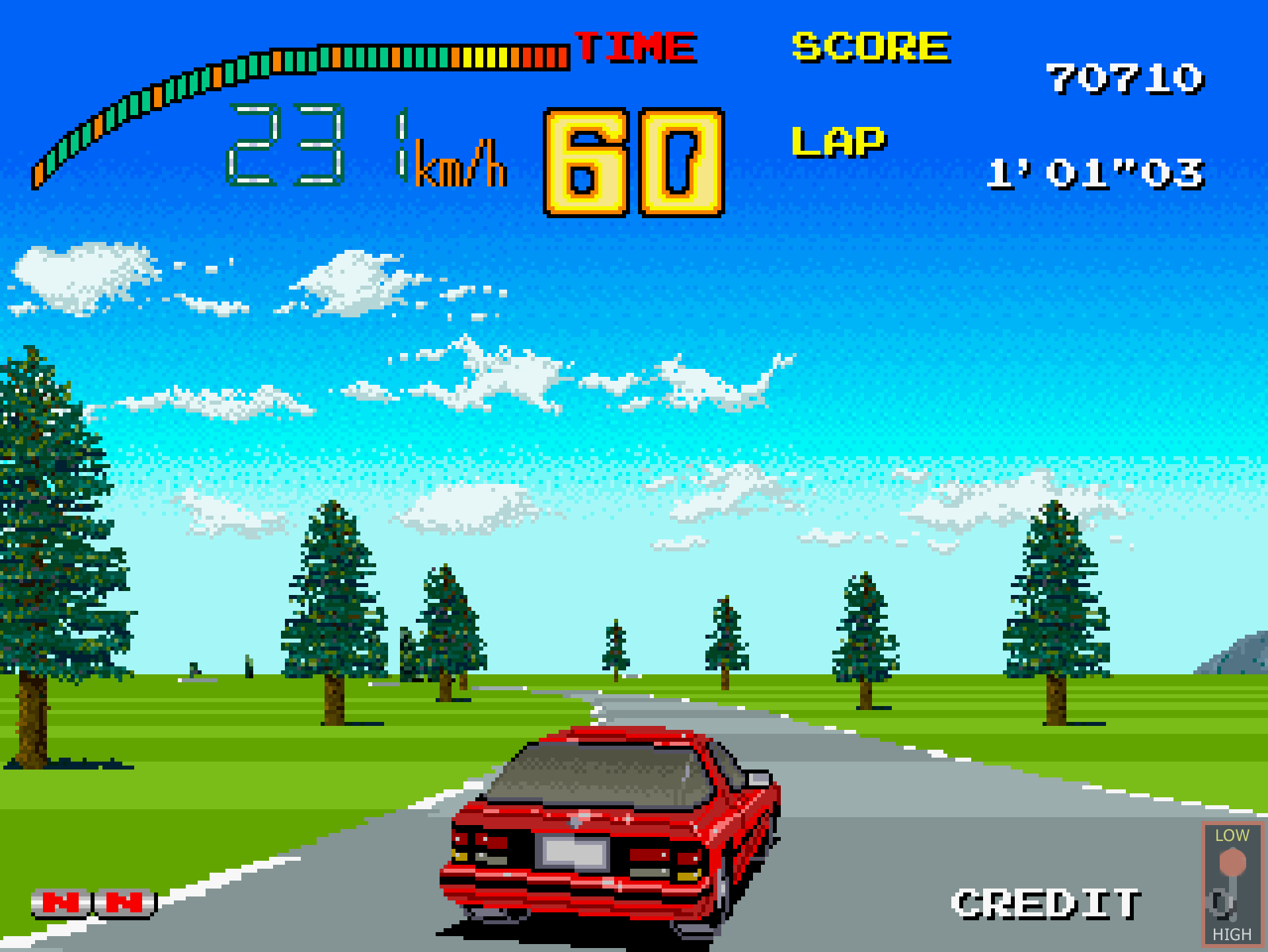
Released in 1987, Top Speed is an arcade racing game developed by Taito. Known in North America as Full Throttle, it delivered fast-paced checkpoint racing with rival cars, traffic, and police chases. Its smooth scaling graphics and sense of speed helped it stand out in crowded arcades.
Development and History
- Developer: Taito
- Publisher: Taito
- Release Date: 1987
- Hardware: Taito Z System hardware
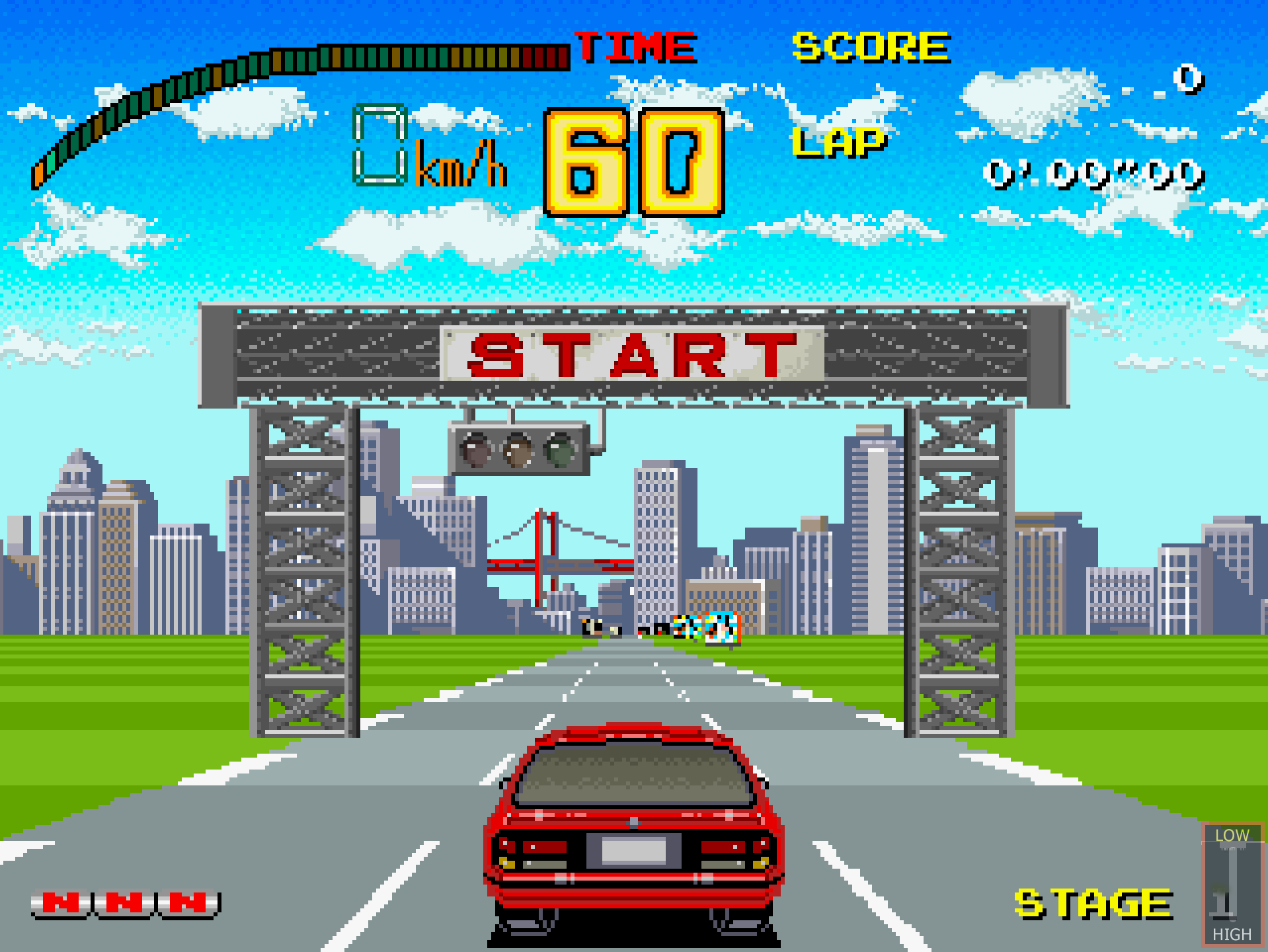
Taito created Top Speed to compete with the popularity of games like Out Run and Hang-On. The development team focused on delivering high frame rates and responsive controls that could keep up with the fast action. The game also introduced rival AI cars with aggressive driving patterns and the ability to knock players off the road.

Gameplay Video
Gameplay and Mechanics
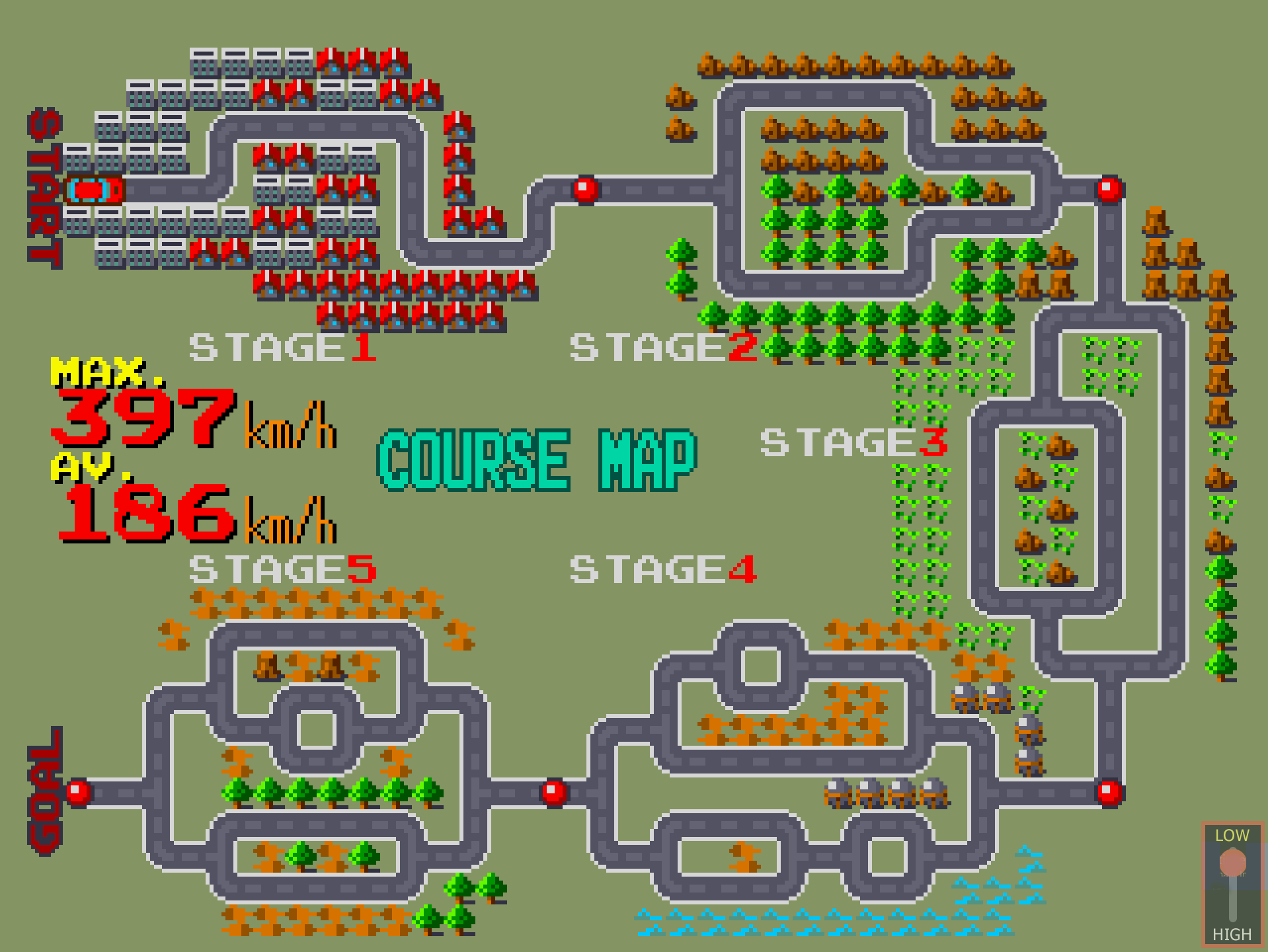
Players race a high-performance sports car through a series of stages, each with unique scenery and hazards.
Key gameplay elements:
- Checkpoint Racing: Reach checkpoints before time runs out
- Rival Cars: Compete against CPU-controlled rivals trying to block or crash you
- Traffic and Police: Avoid civilian traffic and evade pursuing police vehicles
- Nitro Boost: Limited-use nitro for sudden bursts of speed
- Multiple Environments: Urban streets, tunnels, and coastal highways
Players must master the nitro boosts and cornering to stay ahead of the pack.
Cultural Impact and Legacy
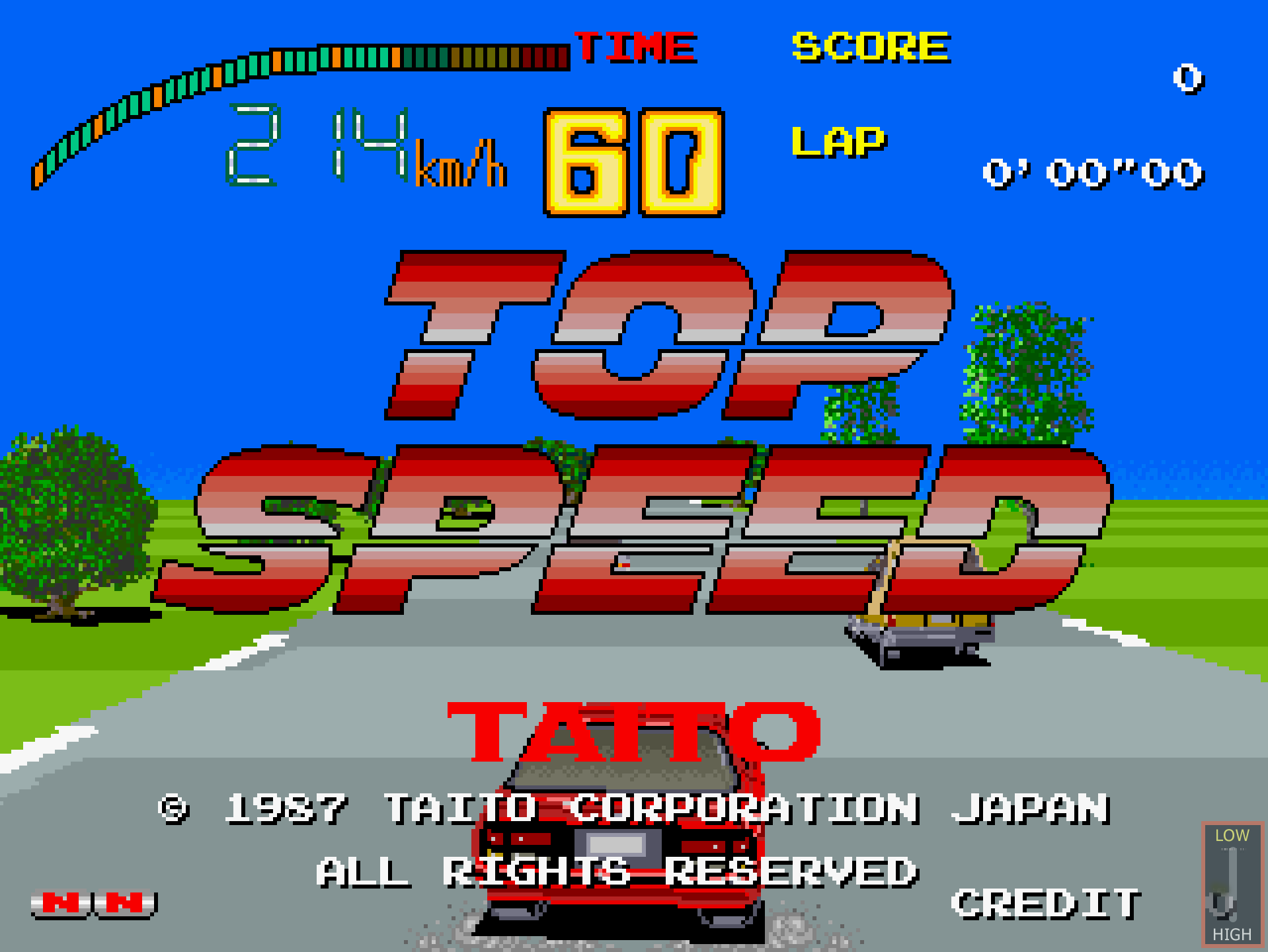
- Popular in arcades during the late ’80s racing boom
- Known for its challenging rival AI and fast pacing
- Ported to home computers like the Amiga, Atari ST, and ZX Spectrum
- Remembered as one of Taito’s notable racing titles before the rise of 3D racers
Fun Facts
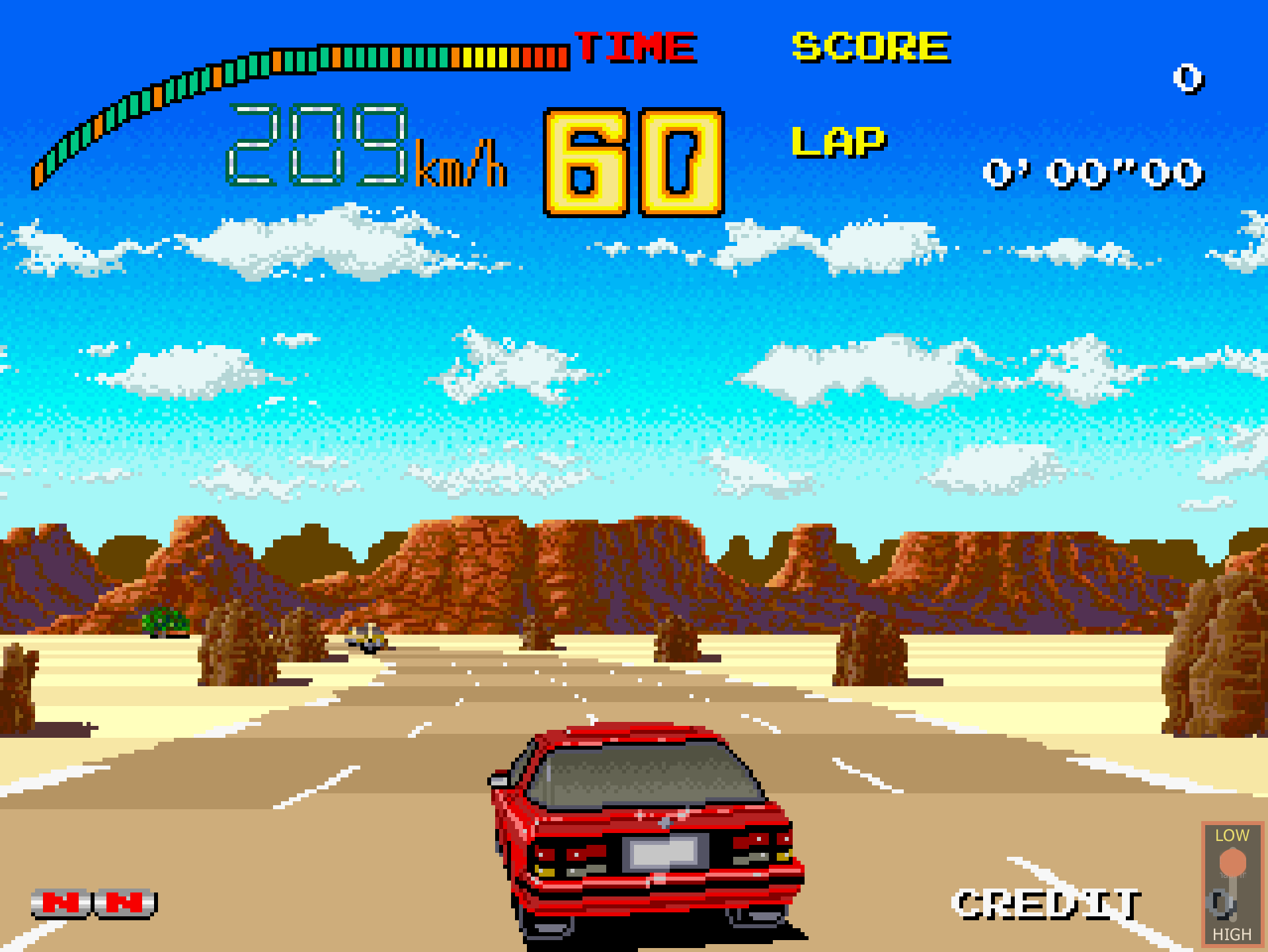
- The U.S. title Full Throttle was chosen to better market the game to American audiences
- Nitro boosts could be earned back by finishing stages quickly
- The rival cars have unique colors and names, adding personality to the competition
- The arcade cabinet featured a steering wheel and pedals for a more immersive experience
Conclusion
Top Speed brought high-speed checkpoint racing and rival showdowns to Taito’s arcade lineup. Its combination of smooth graphics, responsive controls, and intense action made it a memorable experience for racing fans. Today, it remains a classic example of late-’80s arcade racing excitement.